
How to Cope with Grief After Losing a Loved One: Key Insights from the Stanford Parenting Course (Part 2)
💔 What Is “Normal” in Grief?
When we lose someone dear to us, we often want immediate relief — a clear solution, a method, even a pill to ease the pain. But healing from grief is not about “fixing” emotions. It’s about understanding them.
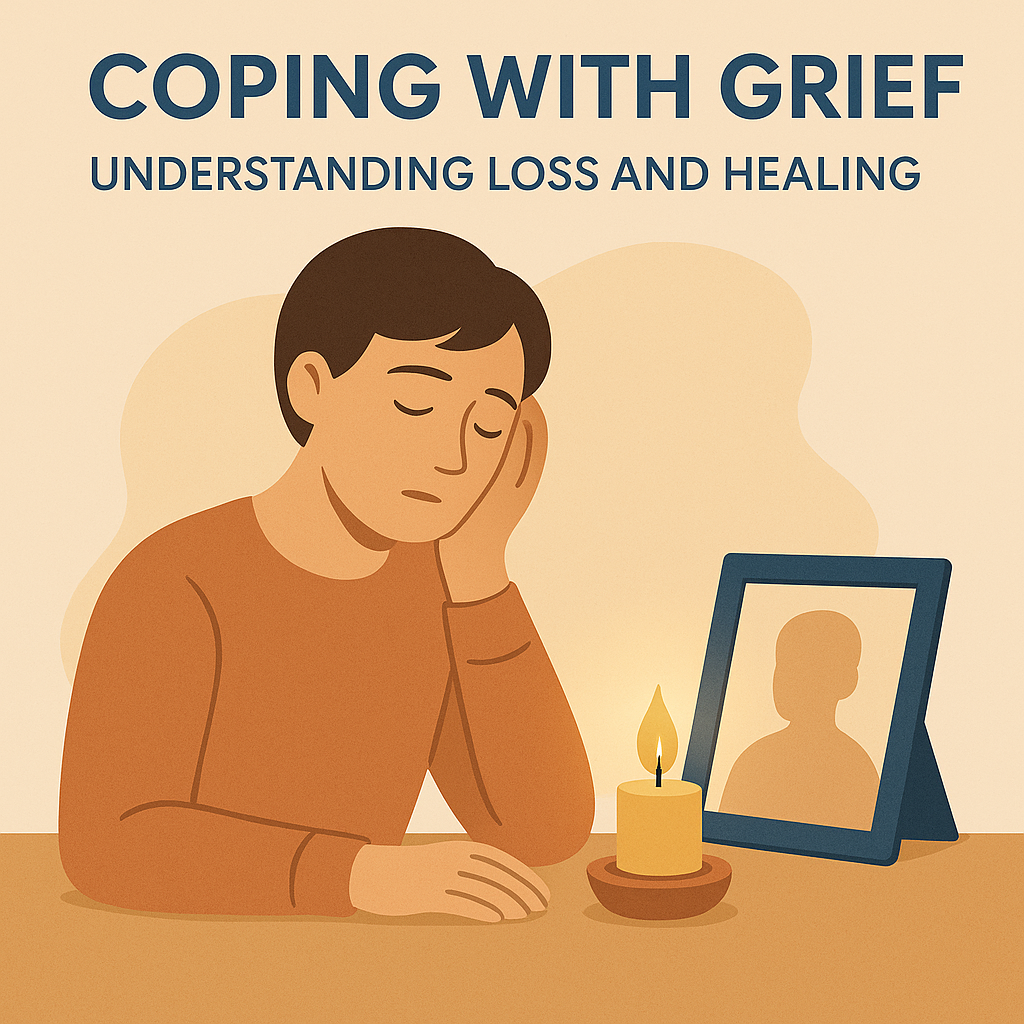
By learning what grief looks like — its symptoms, process, and natural stages — we can allow our emotions to unfold, instead of judging or suppressing them. This awareness helps us move through grief more compassionately and sustainably.
🕊 Common Reactions After a Loss
Everyone experiences grief differently. Some cry for weeks, others feel emotionally numb or detached from reality. All of these reactions can be normal.
Here are some common manifestations of grief:
Frequent crying
Keeping or touching the deceased person’s belongings
Talking to or “hearing” the deceased
Looking at photos or videos of them
Losing interest in oneself or in daily life
Resentment or guilt
Wishing to reunite with the deceased
Relief after suffering ends
Changes in sleep or appetite
Social withdrawal
Grief is a full-body and full-mind experience. It’s not linear — emotions rise and fall, often within the same day.
🌧 The Five Stages of Grief
1️⃣ Denial — “This can’t be true.”
2️⃣ Anger — “Why did this happen to me?”
3️⃣ Bargaining — “If only I had done something differently.”
4️⃣ Depression — Deep sadness, withdrawal, emotional fatigue
5️⃣ Acceptance — Making peace with the loss
Families often find that different members are in different stages at the same time.
As one therapist shared: “There are no wrong emotions. Understanding that others may grieve differently can ease tension and strengthen family support.”
⏳ How Long Does Grief Last?
There’s no “correct” timeline for grief. Some people feel better within months, while others continue to experience sadness for years.
What matters most is whether you can maintain daily functioning and gradually find meaning again.
If intense sadness, hopelessness, or numbness persist and affect your ability to work, sleep, or care for yourself, professional help may be needed.
⚠️ Be cautious if coping involves alcohol, drugs, or reckless behavior — these may indicate that grief has turned into a deeper crisis requiring immediate intervention.
💞 How to Support Someone Who Is Grieving
When comforting others, remember: grief cannot be fixed — only witnessed.
Avoid phrases like:
“Don’t be sad.”
“You need to move on.”
Such comments, though well-intentioned, can make the grieving person feel misunderstood or isolated.
Instead, offer presence, not solutions:
Sit with them, even in silence.
Acknowledge their pain: “I’m here for you.”
Offer practical help: meals, groceries, chores, childcare.
Giving space for grief is one of the most loving things we can do.
👨👩👧 How to Talk About Death with Children
When explaining death to children, the key is to be gentle, clear, and direct.
Avoid euphemisms like “fell asleep” or “went away,” which may confuse children and even trigger sleep anxiety (“If I sleep, will I never wake up?”).
Children process grief differently at each stage of development:
Young children (under 7): May not grasp that death is permanent. They may fear other family members will also “disappear.”
Older children and teens: May suppress or avoid emotions, trying to appear “strong,” which can increase long-term emotional distress.
💡 Parent Tip:
Use age-appropriate books or videos to start the conversation.
Share your own feelings calmly to model healthy emotional expression.
If you feel overwhelmed, seek help from a pediatrician, child psychologist, or faith leader.
🕯 Facing Anniversaries and “Grief Triggers”
Special dates like birthdays, anniversaries, and holidays often reactivate grief — known as the anniversary effect.
Even joyful events like weddings or graduations can trigger sadness, as they remind us of those who are no longer here.
Small things — a song, a scent, a familiar dish — may bring back strong emotions.
Therapists recommend planning ahead for these occasions:
Prepare emotionally for important dates.
Decide what kind of remembrance feels right (lighting a candle, writing a letter, visiting a meaningful place).
Allow yourself space — cancel nonessential plans if needed.
Remember: missing someone is not regression — it’s remembrance. Continuing to honor your connection is healthy and human.
🌿 Gentle Ways to Heal
Grief does not disappear — it transforms.
Practices like mindful breathing, journaling, gentle movement, or guided meditation can help integrate emotions and create rituals of remembrance.
Healing doesn’t mean forgetting; it means learning to live with love and loss in harmony.
💬 Final Note
This article is based on insights from Stanford’s Parenting Course and the clinical experience of Dr. Yishan Xu and colleagues. It is for informational purposes and not a substitute for professional therapy.
If you or someone you love is struggling with grief or depression, please seek help from a licensed mental health professional. At Mind & Body Garden Psychology, we’re committed to providing a safe, bilingual space for youth and families to grow stronger together. If you’re concerned about your teen’s mental well-being or would like to learn more about therapy options, contact us today or explore our blog for more resources.
Psychological services available in multiple languages (English, Mandarin, Cantonese, French, Turkish, etc.): 650-434-2563; admin@mindbodygarden.com. HSA/FSA accepted. Send us a text message on the phone, or call us and leave a voicemail.
Appointment & Office Locations:
admin@mindbodygarden.com
Office 1 (Los Altos)
885 N. San Antonio Rd., Suite O, Los Altos, CA 94022
Office 2 (SF)
110 Gough Street #402, San Francisco, CA 94102
Office 3 (San Diego)
9920 Pacific Heights Blvd, Suite 150, San Diego, CA 92121
Office 4 (New York)
303 Fifth Avenue, Suite 901, New York, NY 10016