
Why Are Teen Suicide Cases Increasing? Understanding and Supporting Adolescent Mental Health
At Mind & Body Garden Psychology, we recently hosted a community webinar on Adolescent Mental Health: Recognition, Understanding, and Support, led by Dr. Yishan Xu and joined by our clinicians Sharon Miao (LMFT, New York) and Dr. Jing Xu (PhD, Silicon Valley).
Together, they explored how parents and educators can identify early warning signs, communicate effectively, and provide timely help to teens facing emotional struggles.
🌱 The Growing Concern of Teen Mental Health
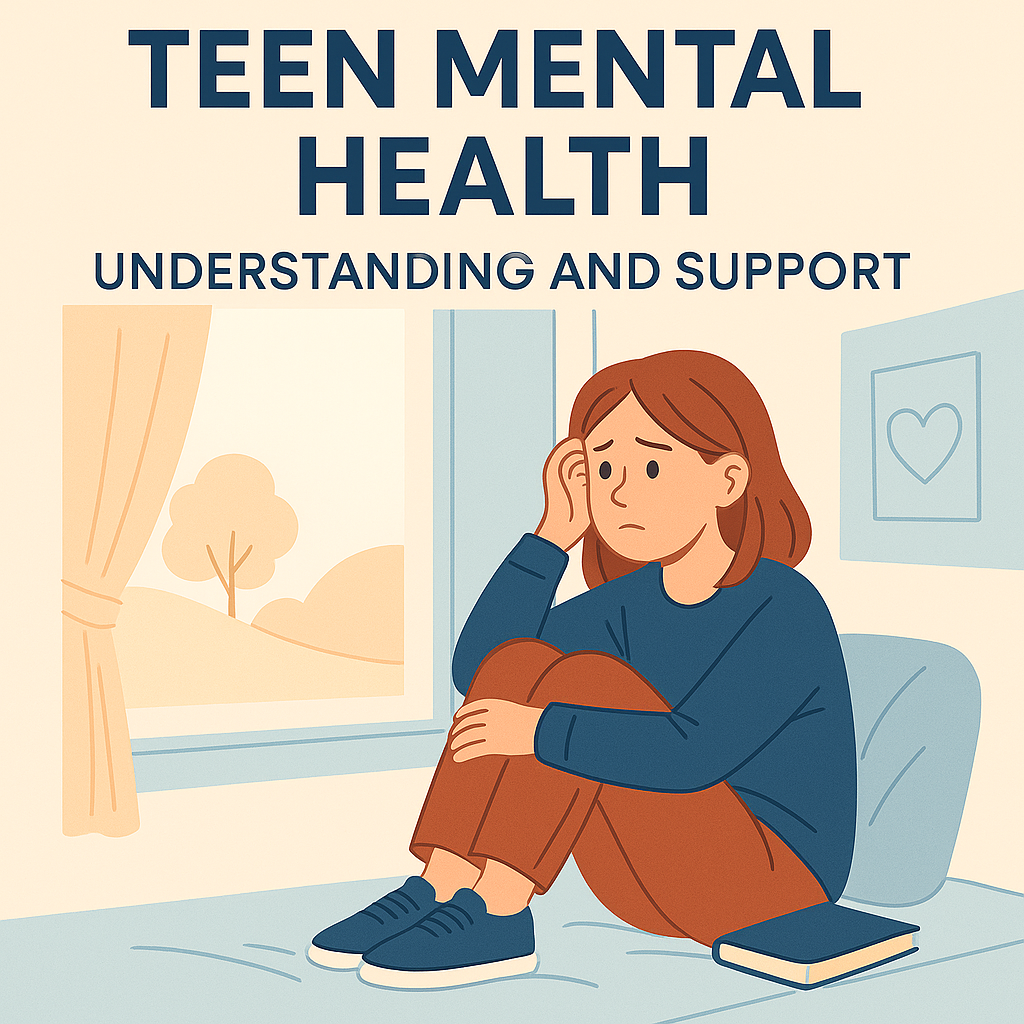
Adolescent mental health has become a global public health concern. Clinicians have observed a recurring trend: cases of self-harm and suicide tend to increase in late winter and early spring (around February and March).
While the causes are complex, contributing factors often include:
Academic pressure
Social and peer relationship challenges
Family conflict or lack of communication
Chronic stress or perfectionism
Tragically, one teen’s suicide can also create a contagion effect, triggering anxiety, grief, or even copycat behaviors among peers. This makes early recognition and prevention essential — not just for parents, but for schools and the broader community.
💭 Common Signs of Anxiety and Depression in Teens
Adolescence is a time of rapid emotional and physical change. It’s normal for teens to have ups and downs, but persistent distress may signal a deeper issue.
Common anxiety symptoms include:
Persistent worry or fear
Physical symptoms like racing heart, sweating, trembling
Restlessness, fatigue, or difficulty focusing
Sleep problems (trouble falling or staying asleep)
Avoidance of anxiety-provoking situations
Depression may present as:
Persistent sadness or hopelessness
Loss of interest in previously enjoyable activities
Significant appetite or weight changes
Excessive sleep or insomnia
Feelings of guilt, worthlessness, or self-blame
Difficulty concentrating or making decisions
Thoughts of death or suicide
💡 What Parents Can Do to Support Their Teens
Parental understanding, school awareness, and access to mental health resources all play crucial roles in supporting youth well-being. Here are some recommendations our clinicians shared:
1️⃣ Build your own mental health awareness.
Learn to recognize signs of anxiety and depression. Attend workshops or read credible resources to better understand what your teen may be going through.
2️⃣ Create an open, judgment-free home environment.
Teens are more likely to share when they feel safe and not criticized. Listening with empathy rather than offering quick solutions can go a long way.
3️⃣ Provide emotional support and consistency.
Show care and affection through daily interactions. Emotional warmth from parents enhances a teen’s resilience and self-esteem.
4️⃣ Encourage healthy routines.
Balanced nutrition, exercise, and especially adequate sleep are vital. As Dr. Xu shared, Stanford research shows that chronic sleep deprivation is a strong predictor of teen suicide risk, while consistent sleep improves emotional regulation.
5️⃣ Seek professional help early.
If your child shows ongoing distress, reach out to a mental health professional.
This is not “overreacting” or “airing family problems” — it’s timely care. Schools and communities often have counselors or resources that can make a critical difference.
For some students, applying for a 504 plan or Individualized Education Plan (IEP) can provide academic accommodations and support for their mental health needs.
🏠 The Role — and Limits — of Family Therapy
Family therapy can be powerful, but it’s not always the right first step. When severe conflict, mistrust, or trauma exist, individual therapy for the teen may be more beneficial initially.
Private one-on-one therapy offers a confidential, supportive space for teens to process their emotions, explore identity, and learn coping tools before family sessions begin.
Starting with family therapy too early, without understanding the underlying issues, can sometimes heighten tension or retraumatize the teen. A good therapist will assess readiness and guide the process safely.
📞 Crisis & Mental Health Resources
If you or someone you know is in immediate distress, please reach out:
988 Suicide and Crisis Lifeline (U.S.) – Call or text 988
NYC WELL (24/7, Mandarin & Cantonese available): 888-692-9355 (press 5)
311 NYC Helpline
Crisis Text Line: Text “HELLO” to 741741 for free, confidential support from trained counselors
Parents Helping Parents: Parent peer support network
💬 Final Thoughts
Mental health care is not just crisis management — it’s ongoing prevention. Awareness, compassion, and small daily actions can change the trajectory of a young person’s life.
At Mind & Body Garden Psychology, we’re committed to providing a safe, bilingual space for youth and families to grow stronger together. If you’re concerned about your teen’s mental well-being or would like to learn more about therapy options, contact us today or explore our blog for more resources.
This article was summarized from Mind & Body Garden Psychology’s public lecture:
Psychological services available in multiple languages (English, Mandarin, Cantonese, French, Turkish, etc.): 650-434-2563; admin@mindbodygarden.com. HSA/FSA accepted. Send us a text message on the phone, or call us and leave a voicemail.
Appointment & Office Locations:
admin@mindbodygarden.com
Office 1 (Los Altos)
885 N. San Antonio Rd., Suite O, Los Altos, CA 94022
Office 2 (SF)
110 Gough Street #402, San Francisco, CA 94102
Office 3 (San Diego)
9920 Pacific Heights Blvd, Suite 150, San Diego, CA 92121
Office 4 (New York)
303 Fifth Avenue, Suite 901, New York, NY 10016